Notes & Gatherings
9th December 2025
By Nicola
Every wedding tells a story, and not just through vows or décor, but through colour. The shades you choose for your flowers set the emotional tone for your day. They can whisper romance, radiate joy, or glow with quiet elegance.
With so many options, it’s easy to get lost in inspiration boards and trending palettes. The truth is that the best wedding floral colour palette isn’t about what’s popular; it’s about what feels authentically you.
Let’s explore how to find that perfect blend of colour, emotion, and personality that turns your wedding flowers into a reflection of your love story.
Begin with emotion
Before thinking about specific flowers or shades, start with feeling. Ask yourself: what emotion do I want my wedding day to evoke?
Do you dream of an atmosphere that feels romantic and timeless, or fresh and modern? Perhaps you want vibrant and joyful, or natural and grounded.
Each emotion connects naturally to certain colours
Romantic: blush, dusty rose, cream, champagne
Elegant: ivory, soft grey, sage, navy
Vibrant: coral, yellow, magenta, turquoise
Earthy: terracotta, rust, olive, sand
Whimsical: lilac, mint, sky blue, butter yellow
When your palette begins with emotion, your wedding flowers instantly feel intentional and deeply personal.
Draw inspiration from your story
Your love story is the best colour guide you’ll ever have. Think about moments, places, or seasons that define your relationship.
Did you meet in summer? Warm tones like peach, coral, or gold might speak to your beginning.
Do you love the mountains or forest hikes? Deep greens and neutrals may feel natural.
Was your proposal at the beach? Think soft blues, sandy creams, and blush tones.
Infusing your personal story into your palette makes your wedding more meaningful and more you.
Take cues from your venue and season
Your venue and season naturally influence which floral colours shine brightest. Rather than working against them, let them guide you.
Spring weddings
Fresh and romantic palettes: pastels, blush, lilac, butter yellow, mint.
Florals: peonies, tulips, ranunculus, sweet peas.
Summer weddings
Vibrant and joyful palettes: coral, fuchsia, sunflower yellow, sky blue.
Florals: garden roses, dahlias, zinnias, hydrangeas.
Autumn weddings
Warm and rich palettes: terracotta, burgundy, mustard, forest green.
Florals: chrysanthemums, dahlias, amaranthus, roses.
Winter weddings
Elegant and cosy palettes: ivory, deep red, navy, emerald.
Florals: anemones, amaryllis, hellebores, evergreens.
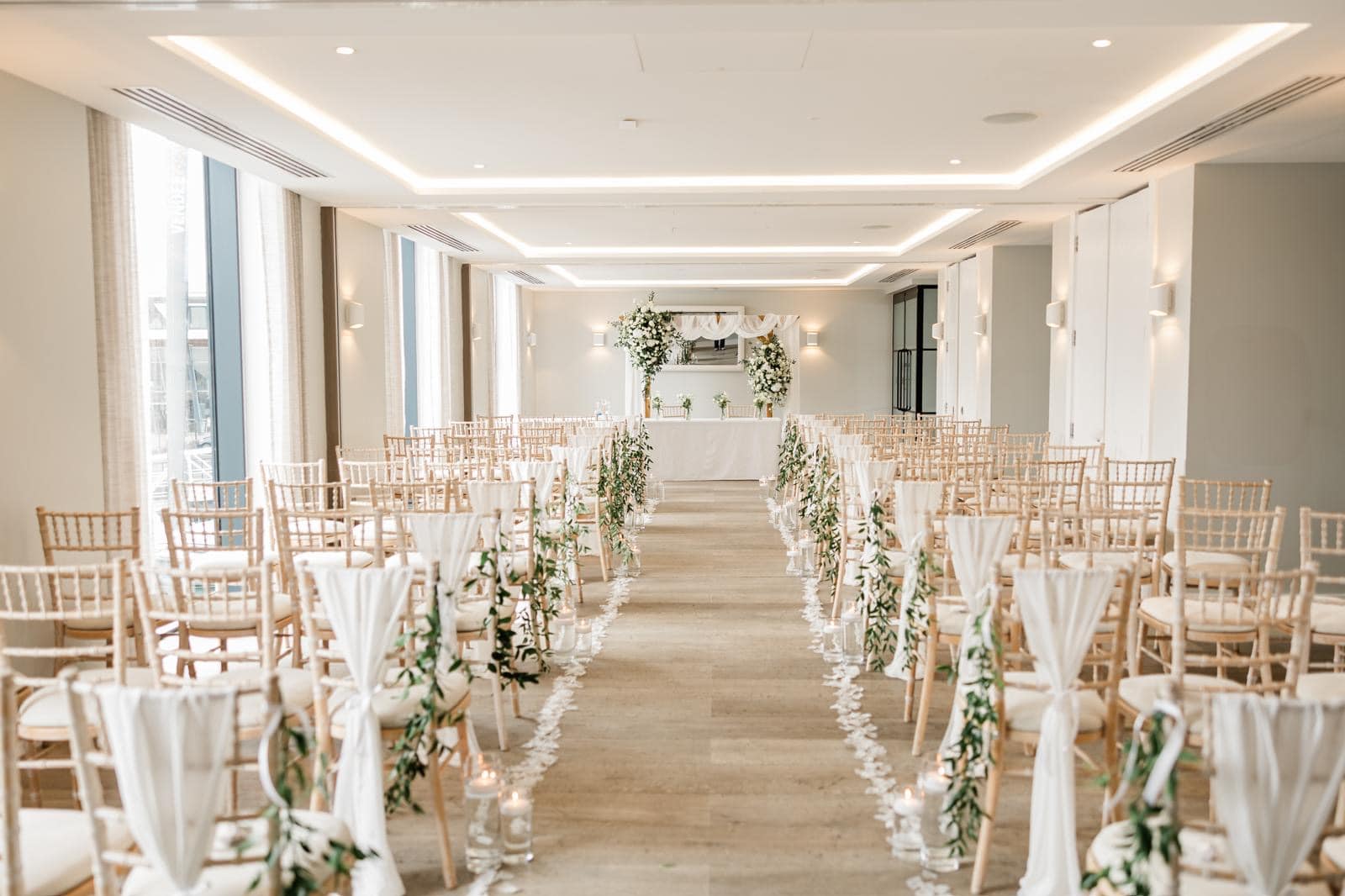
If your wedding takes place in a bold-coloured venue, choose floral hues that complement rather than compete. Neutral spaces offer flexibility for almost any palette.
Understand colour relationships
You don’t need a degree in design to create a harmonious wedding palette. A few simple principles can help.
Monochromatic
Different shades of one colour, for example, pale pink to deep rose. Romantic, timeless, and refined.
Analogous
Neighbouring hues on the colour wheel, such as peach, pink, and coral. Soft and cohesive, perfect for romantic or boho weddings.
Complementary
Opposite hues like blue and orange, or purple and yellow. Bold and striking, ideal for modern or destination weddings.
Neutral plus accent
A classic base of white, ivory, beige, or green with one or two accent colours. Versatile, elegant, and endlessly timeless.
Reflect your personal style
Your wedding should feel like a natural extension of you and your partner. Think about your shared aesthetic.
Minimalist couples: refined palettes such as whites, creams, soft greens, or taupe.
Romantics: blush, lavender, champagne, and dusty blue.
Modernists: sleek contrasts like black and white with a pop of colour.
Boho lovers: warm earth tones, rusts, and sunset shades.
Nature-inspired souls: greens, whites, and subtle neutrals with texture.
You can also draw inspiration from your wardrobe, home décor, or travel memories. If you tend to gravitate toward certain colours daily, they’ll likely feel right for your wedding too.
Play with texture and tone
A great floral palette isn’t just about colour; it’s about how those colours feel. Layering textures and tones brings depth and emotion to your flowers.
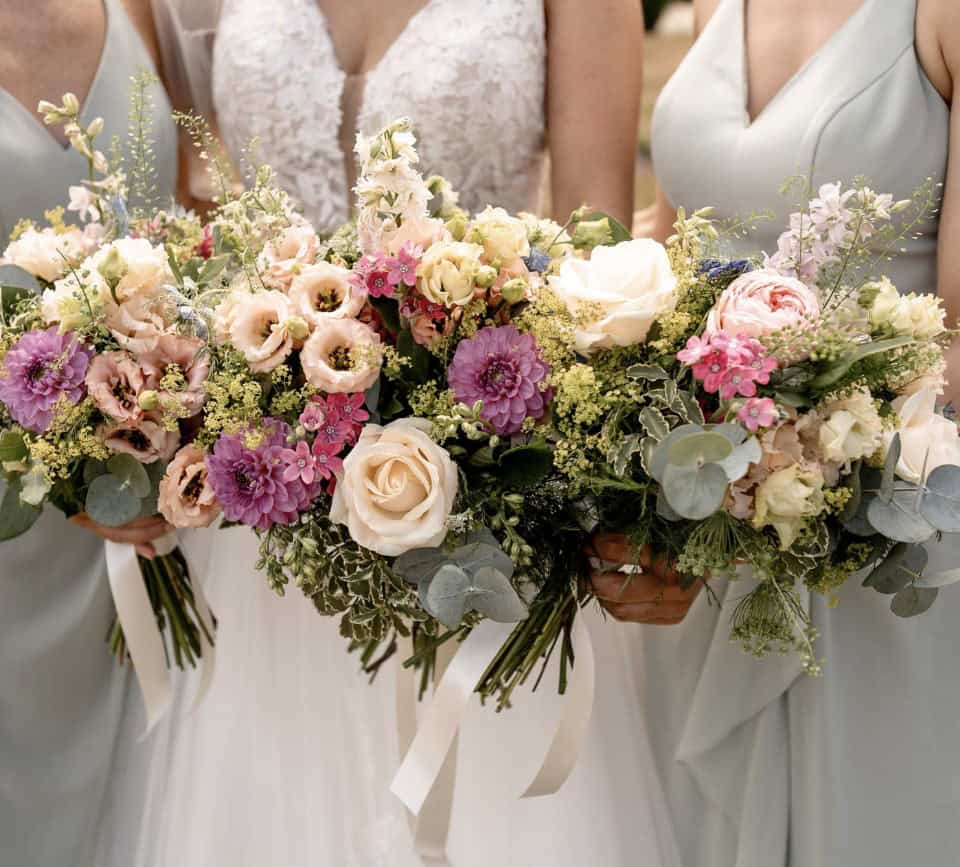
Pair soft blush roses with silvery eucalyptus and textured thistle for a romantic yet fresh feel.
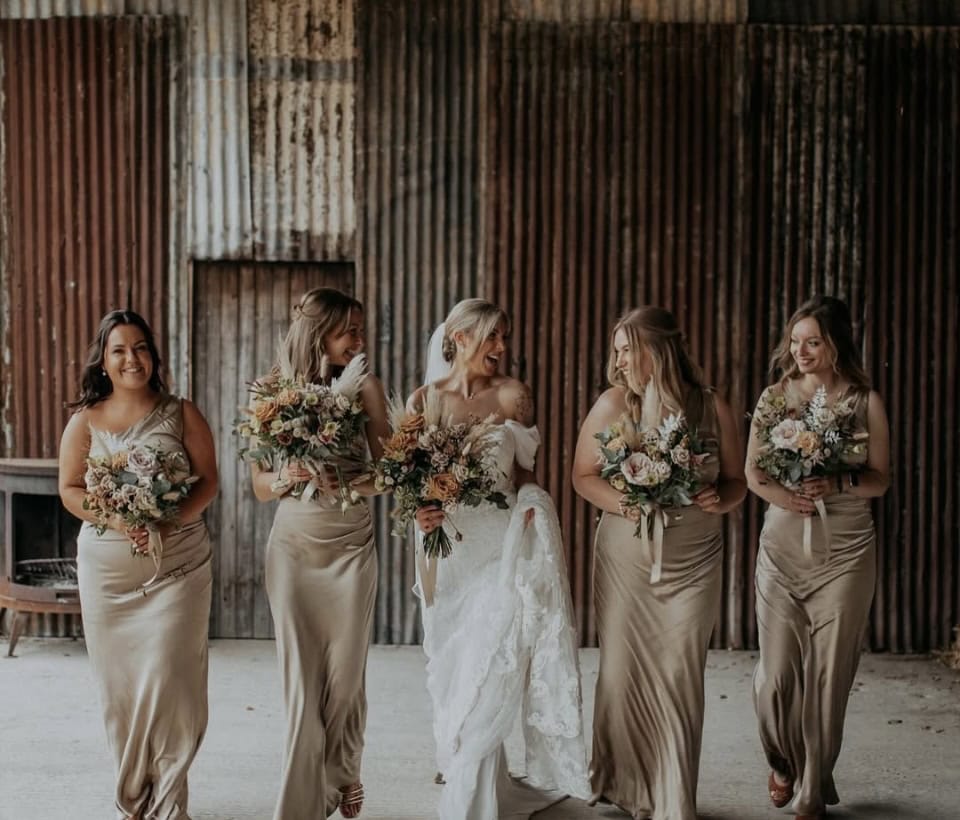
Combine terracotta dahlias with velvety burgundy amaranthus and dried grasses for a boho autumn look.
Mix white orchids with glossy greenery for a sleek, modern statement.
Don’t be afraid to mix fresh blooms with dried elements or unexpected accents like berries, branches, or feathers. These details add individuality.
Consider lighting and photography
Your colour palette should shine not just in person, but in your photos.
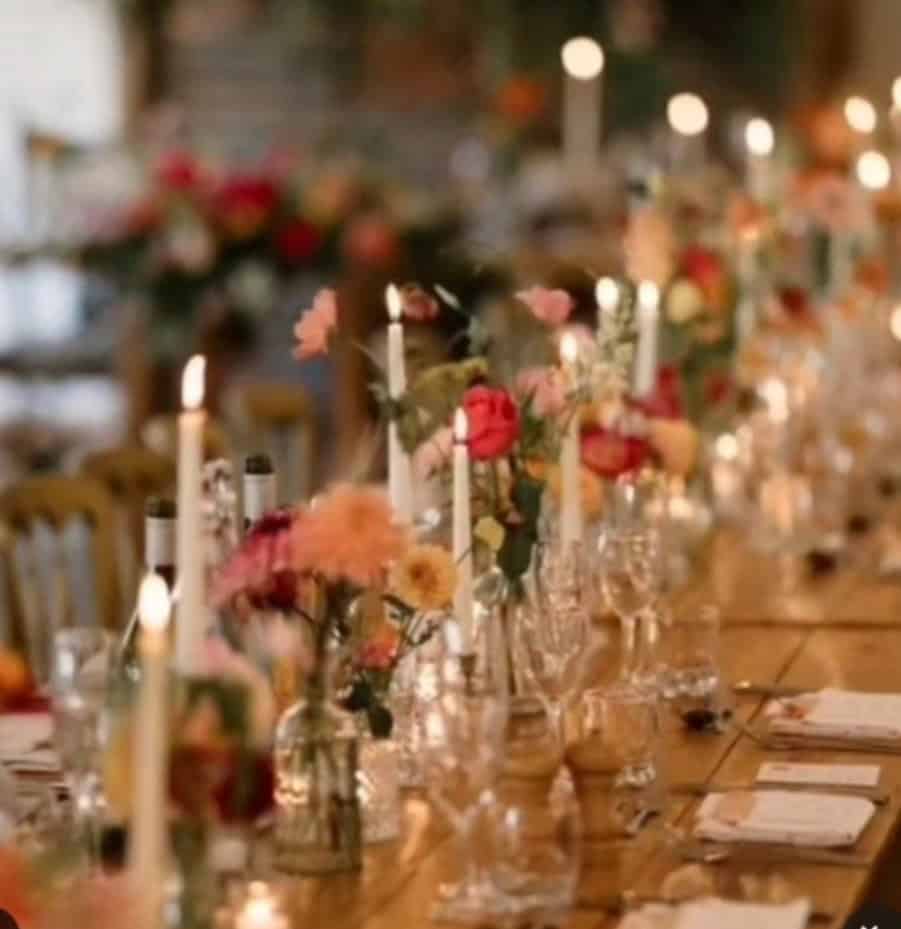
Outdoor daylight enhances cool and pastel tones, while indoor or candlelit settings enrich warm, deeper shades.
Ask your photographer how your chosen colours will appear under different lighting. Florals that look vibrant in sunlight might appear softer indoors.
Pro tip: order a small sample bouquet before your big day to see how your palette looks in your actual venue light.
Balance trends with timelessness
Every year brings trendy new palettes, from moody romance to sunset citrus. While trends can inspire, they shouldn’t define your choices.
Blend the modern and the meaningful. If you love a current trend such as dusty blue, incorporate it subtly through ribbons or accent blooms while keeping your core palette timeless.
In ten years, your wedding photos will still feel as beautiful and relevant as the day you took them.
Collaborate with your florist
A great florist isn’t just a designer, they’re an interpreter of emotion. Share your inspirations but also trust their expertise in colour, texture, and balance.
Bring mood boards or inspiration photos with notes on what you love about them.
Include fabric swatches from bridesmaids’ dresses or table linens.
Share details about your story and personality.
Florists can help translate your palette into flower varieties that are seasonal, available, and cohesive, saving you stress and ensuring everything looks effortlessly aligned.
Trust your instincts
At the end of the day, your wedding is a reflection of your heart, not a checklist. If a palette makes you smile, if it feels peaceful or joyful to you, then it’s right.
Don’t worry if it’s not on trend or perfectly matched. The most breathtaking weddings are the ones that feel personal and genuine — where the colours mirror your love story, not someone else’s inspiration board.
Final thoughts
Choosing a wedding floral colour palette is about more than coordination; it’s about connection. Your flowers should tell your story, capture your energy, and evoke the emotion you want to remember forever.
Close the mood boards for a moment and picture yourself walking down the aisle. What colours surround you? What makes your heart feel full?
That’s your palette — the one that feels like you.