Notes & Gatherings
1st May 2026
By Nicola
Colour has a quiet but powerful role in your wedding flowers. It sets the mood, softens the setting and helps shape the way your day feels.
For some couples, the right palette is gentle and romantic, with soft whites, blush tones and fresh greens. For others, it may be richer, warmer or more expressive, with deeper seasonal colour, texture and contrast.
Choosing a wedding flower colour palette is not about following trends or matching every detail perfectly. It is about finding a direction that feels natural to you, suited to your venue and beautifully considered for the season.
At Petals & Posies, we help couples translate their ideas, inspiration and personal style into natural, romantic wedding flowers and considered wedding styling.
Quick answer: how do you choose a wedding flower colour palette?
Start with the feeling you want to create, then look at your venue, season and the colours you are naturally drawn to.
Your palette does not need to match every detail exactly. It should guide the atmosphere of the day, from your bouquet and ceremony flowers to your table flowers, candlelight, linens and finishing details.
A good wedding flower colour palette usually includes a few key tones, softer supporting shades and enough texture to stop the design feeling flat or overly matched.
Begin with how you want the day to feel
Before thinking about specific flowers or exact colours, start with atmosphere.
How do you want your wedding to feel when guests walk into the ceremony space? How do you want the room to feel during the wedding breakfast? What do you want to remember when you look back at your photographs?
You may want the day to feel romantic and soft, elegant and timeless, fresh and natural, warm and joyful, refined and understated, relaxed and garden inspired, or rich and candlelit.
These words are often more helpful than choosing a colour first. Once the feeling is clear, the palette can begin to take shape more naturally.
For example, a romantic spring wedding may suit blush, ivory, pale blue and fresh green. A warm autumn wedding may call for caramel, rust, berry, dusky pink and soft neutral tones.
Look at the colours you are naturally drawn to
Your wedding should feel like an extension of your style, not a version of someone else’s Pinterest board.
Think about the colours you already like in everyday life. Look at your home, your wardrobe, your favourite places, the interiors you save and the images you keep coming back to.
You may notice that you are repeatedly drawn to soft neutrals, warm earthy tones, fresh greens, delicate pastels or deeper romantic shades. These patterns show what feels natural to you.
Your wedding flower palette does not need to be unusual to feel personal. It simply needs to feel right for you.
Let your venue influence the palette
Your venue will have a natural influence on your flower colours.
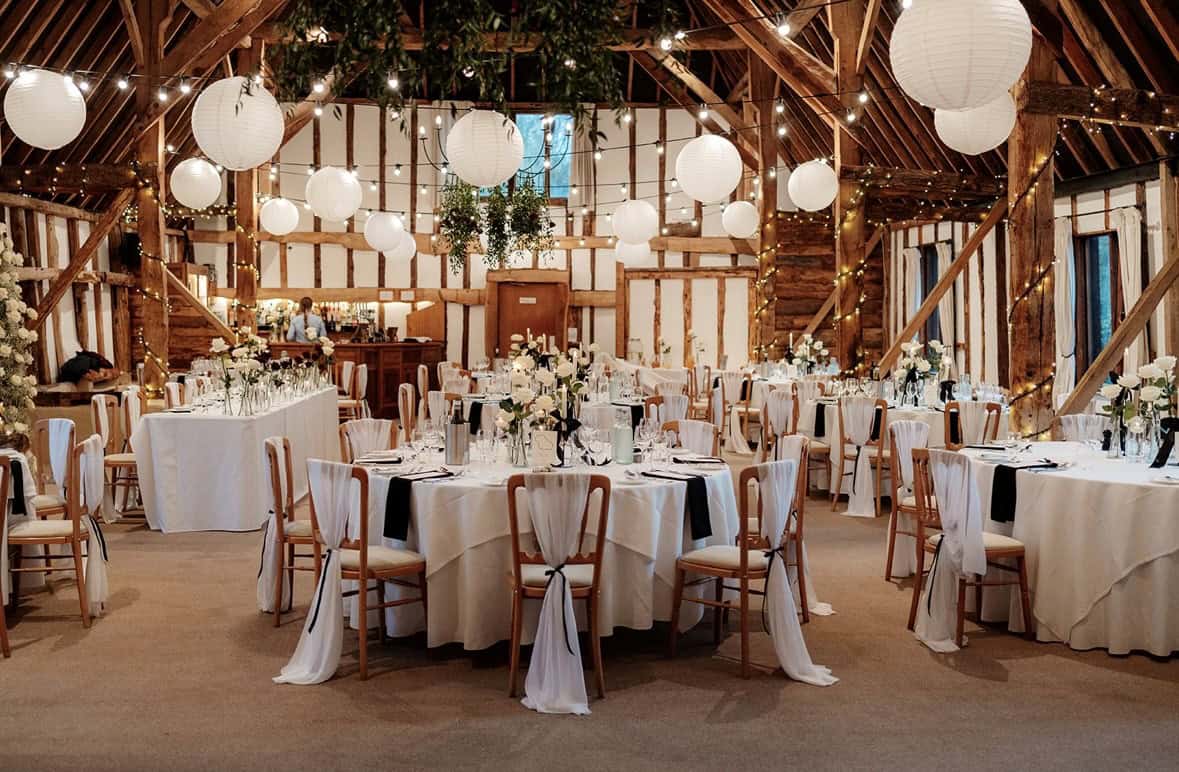
A barn venue often works beautifully with soft greenery, natural textures, warm candlelight and colours that sit comfortably against timber, stone or brick.
A country house venue may suit a more refined palette, while a New Forest or countryside venue may lend itself to garden inspired colour and natural foliage.
If your venue already has strong colours in the carpets, curtains, walls or furnishings, your flower palette should work with those tones rather than fight against them. If your venue is neutral, you may have more freedom to introduce colour through flowers, candles, linens and styling details.
The most beautiful palettes usually feel as though they belong in the space.
Consider the season without feeling restricted by it
The season of your wedding can gently guide your colour choices, but it does not need to limit them.
Spring often lends itself to ivory, blush, lilac, pale yellow, peach and soft green. Summer gives more opportunity for abundance, whether that means soft romantic tones, fresh whites and greens, or brighter colour with coral, pink, blue or apricot.
Autumn naturally brings warmth, with colours such as terracotta, caramel, burgundy, plum, dusky pink, rust and soft neutrals. Winter can feel beautifully elegant with whites, greens, deep reds, burgundy, navy, champagne, bronze or candlelit neutral tones.
Working with the season helps your flowers feel natural and considered, and allows your florist to guide you towards flowers, foliage and textures that are looking their best.
If you are still exploring what flowers may suit your date, our guide to seasonal wedding flowers by month may help.
Availability can vary, so it is always helpful to stay open minded. Sometimes the most beautiful results come from trusting the season rather than trying to force a particular flower or shade.
Think about the wider wedding details
Your flower palette will sit alongside many other elements of the day, so it helps to think about the whole setting.
Useful details to consider include bridesmaid dresses, suits, stationery, table linens, napkins, candles, ribbons, venue interiors, cake design, signage and chair details.
Your flowers do not need to match these details exactly. In fact, they often look more natural when the colours are tonal rather than identical.
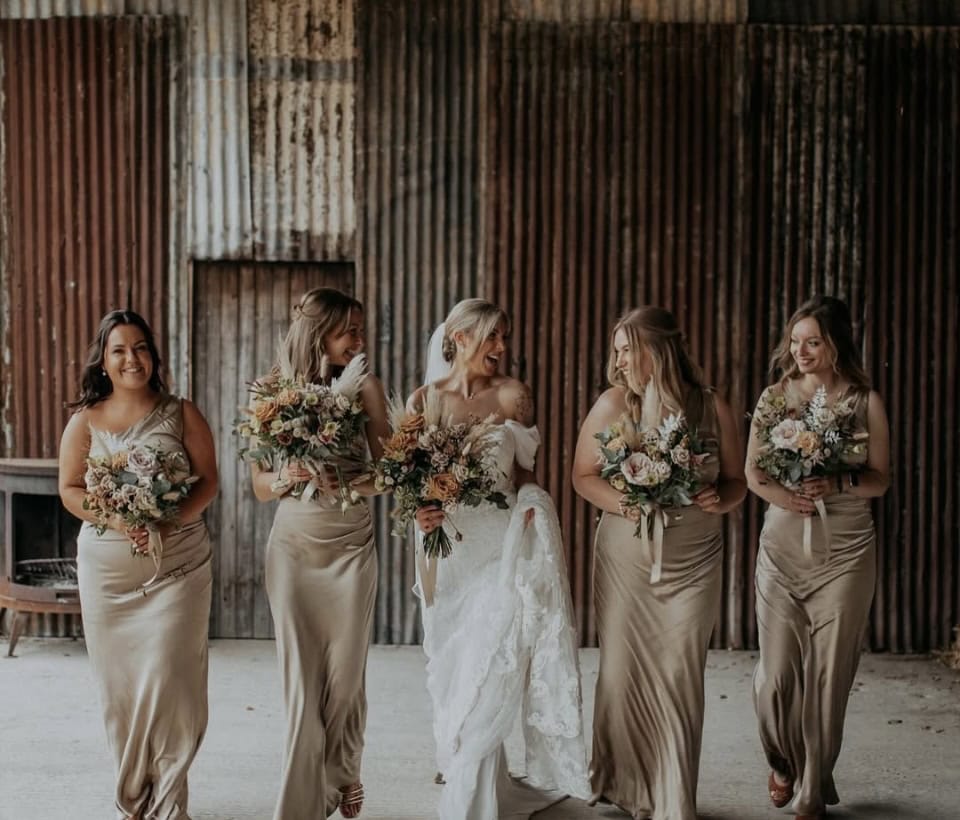
For example, blush bridesmaid dresses do not mean every flower needs to be blush. You may choose ivory, champagne, soft peach, pale pink and fresh green to create depth and softness around that colour.
A good palette has variation. It allows the flowers to feel natural, textured and full of life.
Use neutrals to soften the design
Neutral tones are incredibly useful in wedding flowers.
White, ivory, cream, champagne, beige, taupe and soft green can calm a palette and make it feel more refined. They can also help stronger colours feel more elegant.
If you love colour but are worried about it feeling too bold, neutrals can provide balance.
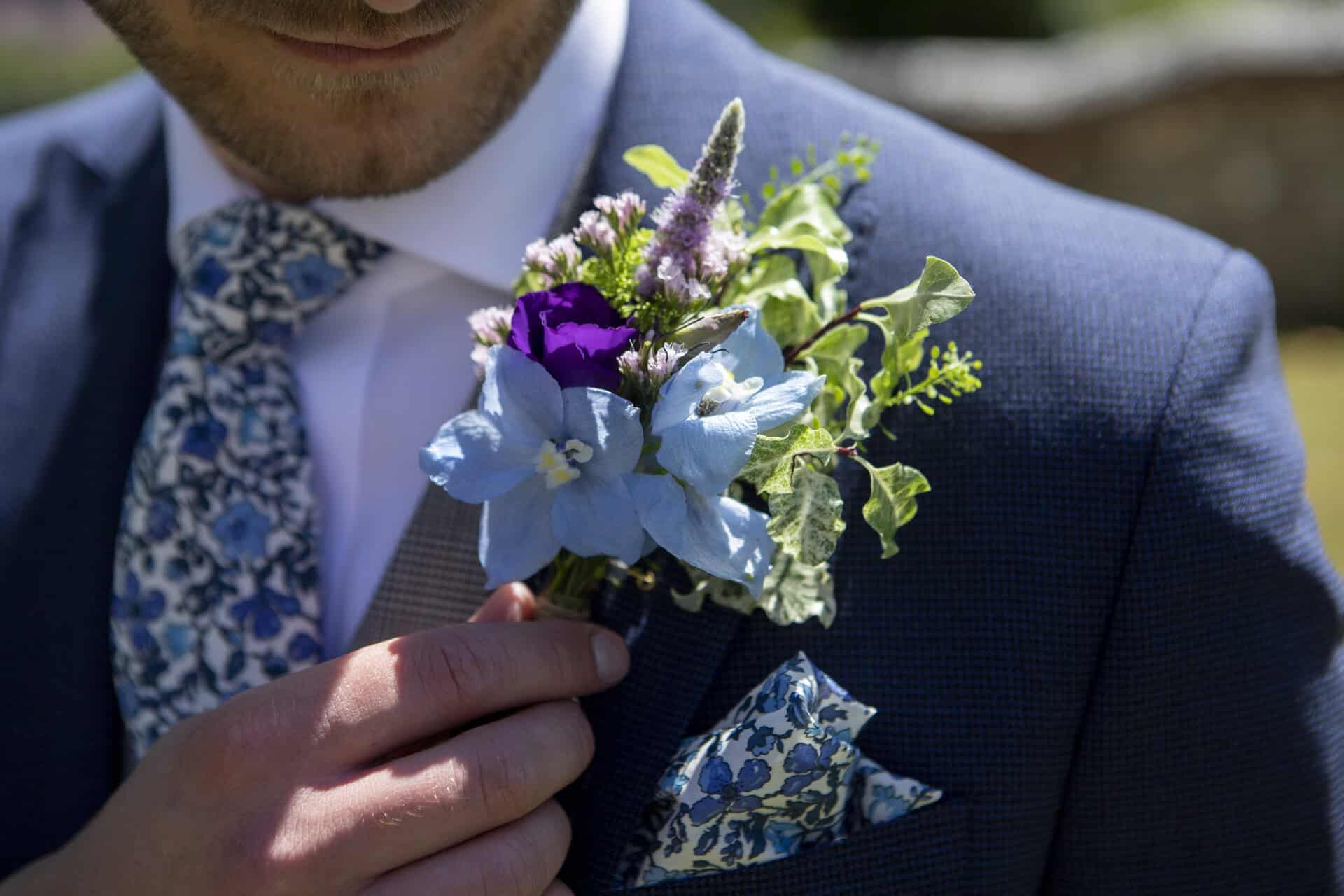
Terracotta feels softer with ivory, caramel and muted pink. Burgundy feels more romantic with blush, cream and plum. Blue feels fresher with white, green and soft grey.
Neutral flowers and foliage can also help connect your ceremony flowers, table styling and finishing details without making the design feel too busy.
Add depth through texture and tone
A beautiful flower palette is not only about colour. It is also about texture, shape and movement.
Two weddings could both use white and green flowers, but feel completely different depending on the ingredients and styling.
One could feel classic and structured, with roses and polished table styling. Another could feel soft and garden inspired, with seasonal flowers, delicate stems, trailing foliage and natural movement.
Texture brings personality to a palette. This might come from delicate petals, soft foliage, berries, seed heads, grasses or seasonal details.
The aim is to create a design that feels layered and interesting, rather than flat or overly matched.
Be careful with trends
Wedding colour trends can be a lovely source of inspiration, but they should not lead the whole design.
If you love a current colour trend, include it in a way that still feels personal to you, perhaps through ribbons, accent flowers, stationery, napkins or a few carefully chosen details.
The best question to ask is not “Is this colour on trend?” but “Will this still feel like us when we look back?”
Bring inspiration, but not too much
Inspiration images are incredibly helpful, but too many can make the direction feel unclear.
Before speaking to your florist, gather a small selection of images that genuinely reflect what you love. These might include bouquets, ceremony flowers, table styling, colour palettes, interiors, fashion, gardens or venue images.
Add a few notes beside each image, such as what you love, what you do not like, or whether you are drawn to the colour, shape, texture or feeling.
Trust your florist’s interpretation
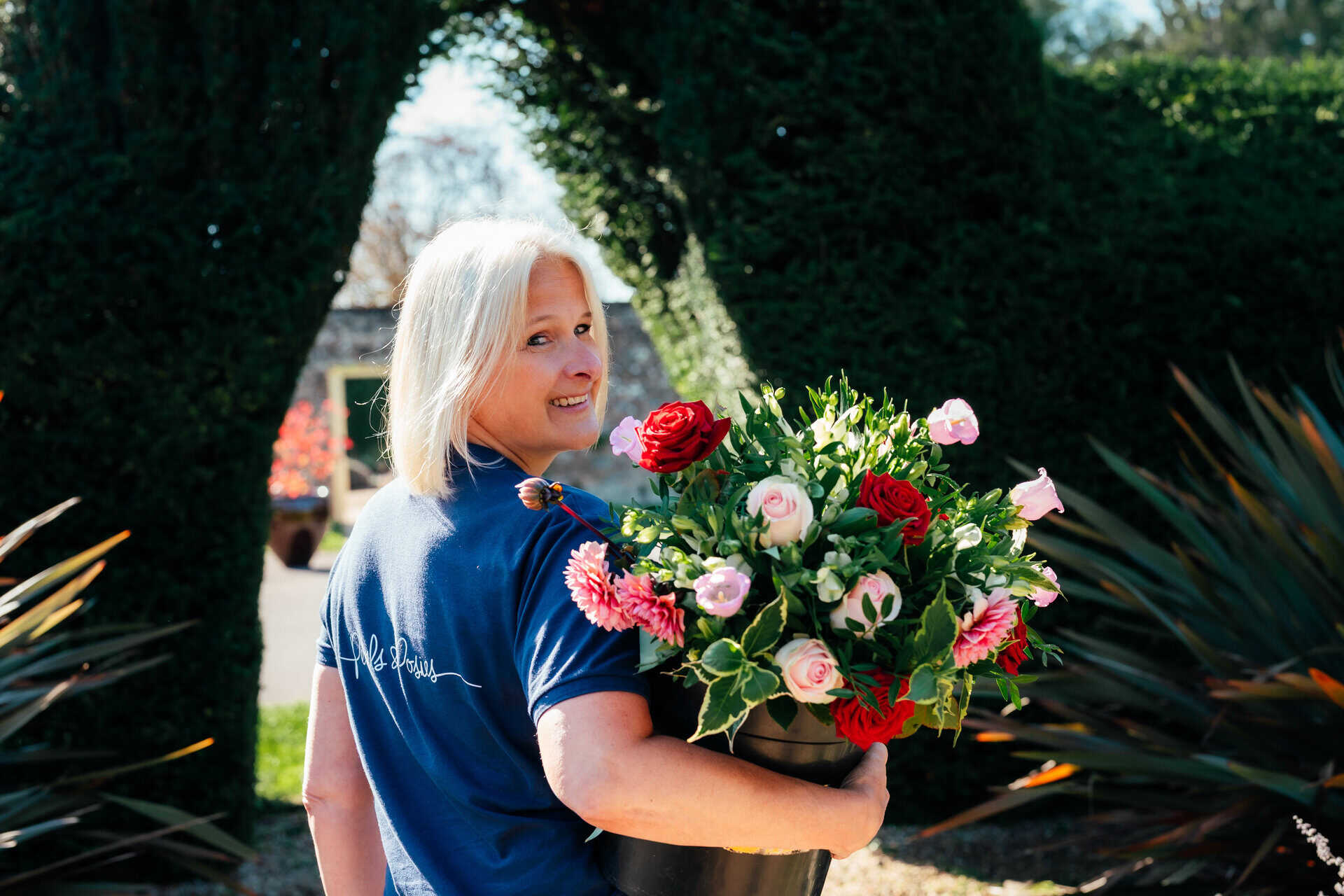
A wedding florist does more than source flowers. They interpret your ideas and turn them into a design that works in real life.
At Petals & Posies, we look at your inspiration, venue, season, colours, styling details and the overall feeling you want to create. From there, we can guide you towards a palette that feels natural, elegant and achievable.
We will also consider practical details such as flower availability, how colours appear in different lighting, which flowers work well together and how the palette can flow from bouquets to ceremony flowers, table flowers and finishing touches.
You do not need to know every flower name or exact shade before your wedding flower and styling consultation. A feeling, a few images and an open conversation are often the best place to begin.
Let the palette support the whole day
Your wedding flower palette should help connect the different parts of your day.
The bridal bouquet may introduce the key colours. The ceremony flowers can build on them with more scale and atmosphere. The reception flowers and table styling can soften or deepen the palette depending on the room, the lighting and the time of day.
This does not mean every element should look the same. It means the flowers and styling should feel thoughtfully related.
Frequently asked questions
How many colours should a wedding flower palette include?
Most wedding flower palettes work well with three to five main tones. This might include one or two key colours, softer supporting shades and neutral tones to bring balance.
Should wedding flowers match the bridesmaid dresses?
They do not need to match exactly. Flowers often look more natural when they sit tonally with the dresses, using related shades, softer contrasts and complementary colours.
Can we use bold colours and still have an elegant wedding?
Yes. Bold colours can feel elegant when balanced with softer tones, considered styling and the right seasonal flowers. The key is to use colour with intention.
Should our colour palette change with the season?
It does not have to, but the season can help guide your palette. Spring often suits fresh, delicate colours, summer can hold more abundance, autumn brings warmth and winter can feel rich, refined and candlelit.
When should we finalise our wedding flower colours?
It is helpful to discuss your colour direction during your first wedding chat. Final flower choices, tones and quantities are usually confirmed closer to the wedding, often around six to eight weeks before the day.
Final thoughts
Choosing your wedding flower colour palette is about more than deciding which shades look pretty together. It is about creating a feeling.
The right palette should reflect your style, suit your venue, work with the season and help shape the atmosphere of the day.
If you are not sure where to begin, start with the feeling you want to create. Notice the colours you are naturally drawn to. Think about your venue, your season and the details you have already chosen. From there, your florist can help bring everything together beautifully.
If you are planning your wedding in Hampshire or the surrounding counties and would like guidance with your flowers, colour palette and styling, we would love to hear about your plans.
Get in touch to arrange a relaxed wedding chat with Nicola.