Notes & Gatherings
3rd July 2026
By Nicola
When you first start planning your wedding flowers, it can be difficult to know what you actually need.
You may know you would love a bridal bouquet and flowers for your ceremony, but what about buttonholes, corsages, table flowers, cake flowers, chair flowers, signage flowers or styling details?
There is no fixed checklist that every couple must follow. Your flowers should reflect your venue, priorities, guest numbers, ceremony setting and how you want the day to feel.
At Petals & Posies, we design natural, romantic wedding flowers and considered styling for couples across Hampshire and the surrounding counties. This guide will help you understand the main flower options, what is essential, what is optional and where your investment can have the most impact.
Quick answer: what wedding flowers do most couples need?
Most couples usually start with these core floral pieces:
- A bridal bouquet
- Bridesmaid bouquets or posies
- Buttonholes for the groom and key wedding party members
- Corsages for mothers or close family, if wanted
- A ceremony focal arrangement
- Aisle or entrance flowers
- Wedding breakfast table flowers
- Top table or sweetheart table flowers
- Cake flowers, if needed
From there, you can add detail depending on your venue and priorities. This may include chair flowers, pew ends, welcome sign flowers, pedestal arrangements, meadow flowers, fireplace flowers, bar flowers, bud vases, candles, signage and styling details.
The best checklist is not the longest one. It is the one that supports your day beautifully.
Start with your personal flowers
Personal flowers are the pieces worn or carried by you and your wedding party. These are usually among the most photographed flowers of the day, so they are a good place to begin.
Bridal bouquet
Your bridal bouquet is usually the most important floral piece. It should feel natural in your hands and beautifully connected to the wider look of the day.
The bouquet often sets the tone for the rest of the flowers, including colour palette, texture, shape and movement.
Bridesmaid bouquets
Bridesmaid bouquets or posies should sit alongside the bridal bouquet without competing with it.
They may be smaller, simpler or slightly softer in colour. They should also work with the bridesmaid dresses, the season and the overall atmosphere of the wedding.
Flower girls
Flower girls may carry a small posy, a wand, a basket of petals or wear a flower crown, depending on age, confidence and the style of the day.
For very young children, it is often best to keep designs lightweight and simple.
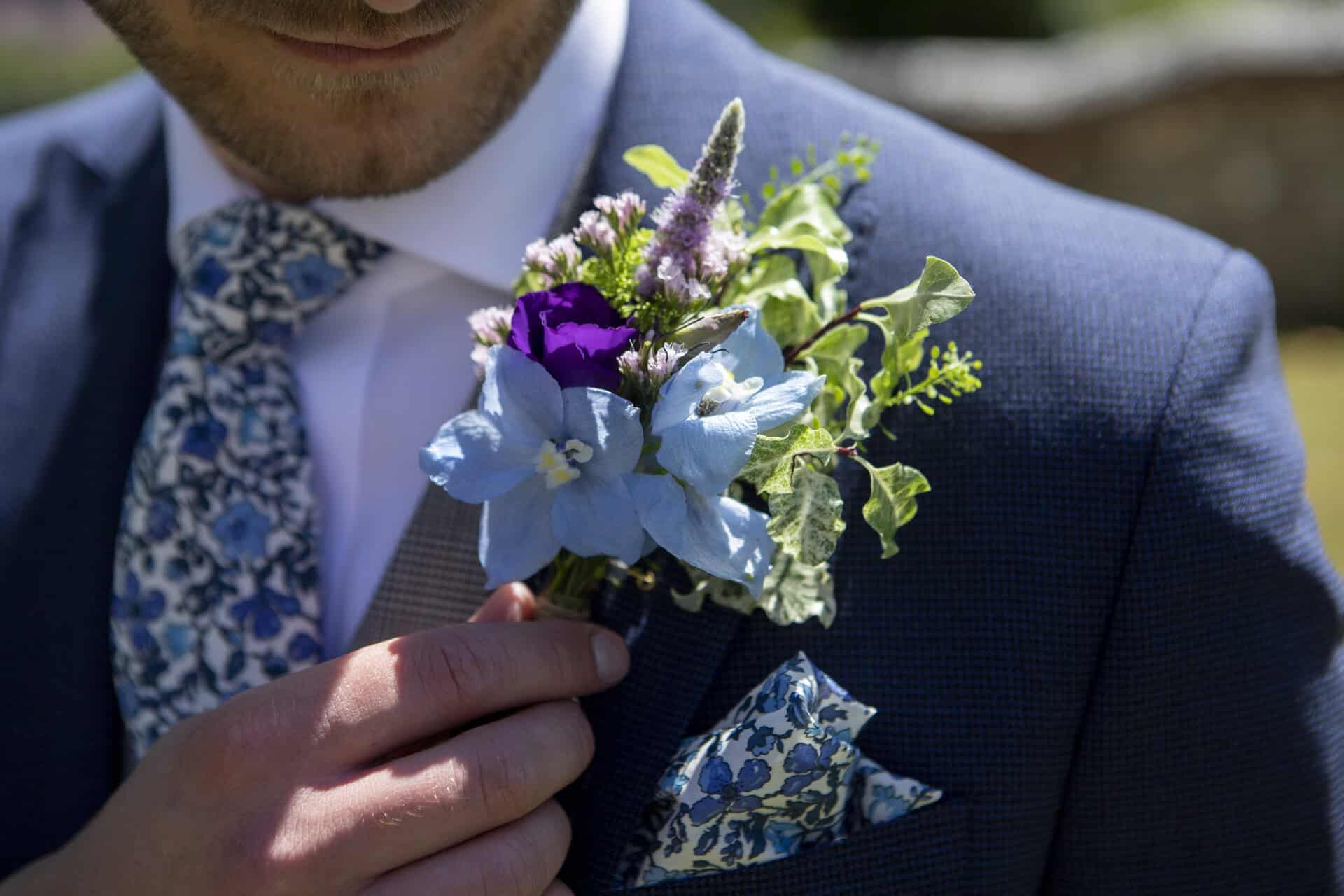
Buttonholes
Buttonholes are usually worn by the groom, groomsmen, fathers and sometimes grandfathers or other important family members.
They are a small detail, but they help connect suits to the wider floral design. The groom’s buttonhole may be slightly different, often using a flower or detail from the bridal bouquet.
Corsages
Corsages are often chosen for mothers, grandmothers or close family members.
They can be worn on the wrist or pinned to an outfit, depending on the style of clothing and personal preference.
Ceremony flowers
Your ceremony is where many of the most emotional photographs are taken, so flowers here can create a beautiful first impression.
You do not need every possible ceremony flower. Focus on the areas that will frame the moment well.
Registrar table flowers
A long and low arrangement on the registrar table can soften the ceremony space and create a lovely focal point during the signing.
This arrangement can often be moved afterwards to the top table, cake table or welcome table, if planned in advance.
Aisle flowers
Aisle flowers can be simple or statement, depending on the venue.
Popular options include meadow arrangements, chair posies, pew ends, lanterns with flowers, or freestanding arrangements placed at the start or end of the aisle.
Aisle meadow arrangements are especially useful because they can sometimes be moved after the ceremony and reused in the wedding breakfast room.
Arches, pillars and pedestals
A floral arch, pair of pillars, urns or pedestal arrangements can create a beautiful ceremony backdrop.
These pieces work well for outdoor ceremonies, barn venues, churches and country house settings. Larger pieces need careful planning, especially if you would like them moved later in the day.
Chair flowers and pew ends
Chair flowers and pew ends can add detail to the aisle without overwhelming the space.
They work particularly well in churches, barn ceremonies and outdoor aisle settings. They can sometimes be moved or gifted afterwards, depending on how they are attached.
Wedding breakfast flowers
The wedding breakfast is where guests spend a large part of the day, so table flowers and styling can make a real difference.
If your ceremony flowers create the first impression, your wedding breakfast flowers help shape the atmosphere your guests sit within.
Guest table flowers
Guest table flowers can be created in many ways.
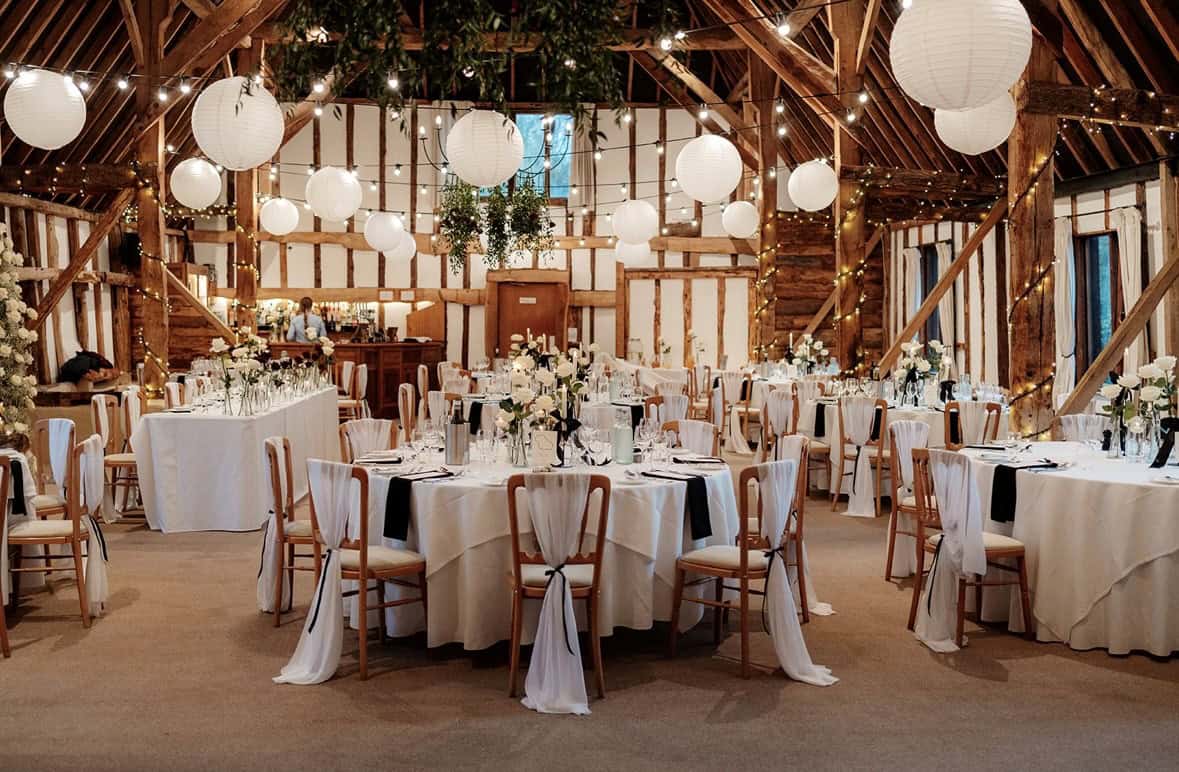
Options include bud vases, footed bowls, compote arrangements, low floral centrepieces, tall arrangements, garlands, clusters of small vases or simple seasonal designs with candlelight.
The right choice depends on your table shape, guest numbers, menu style, glassware, venue rules and how much space guests need.
Top table or sweetheart table flowers
The top table or sweetheart table is often a key focal point during speeches and photographs.
You may choose a long and low arrangement, meadow flowers, a table runner of bud vases, grouped candles or repurposed ceremony flowers.
Cake flowers
Cake flowers are optional, but they can help connect your cake to the rest of the wedding design.
They may include a small cluster of fresh flowers, loose stems, a floral base or flowers around the cake table. Your florist and cake maker should both be clear on what is being supplied and who will place the flowers.
Welcome, seating plan and entrance flowers
Welcome areas are often photographed and seen by every guest.
Flowers for a welcome sign, seating plan, entrance table or card table can help the venue feel considered from the moment guests arrive. Sometimes a small floral detail, bud vase or repurposed ceremony piece is enough.
Styling and finishing details
Flowers are only one part of the overall wedding look.
Your wedding styling may also include candles, lanterns, chair drapes, table runners, signage, table numbers, napkins, vases, stands, easels and decorative details.
These pieces help the venue feel finished, but they should be chosen with care. Too many small details can make a table feel crowded, while the right details can bring warmth, balance and atmosphere.
Do you need flowers everywhere?
No. Trying to place flowers everywhere can sometimes weaken the overall design.
It is usually better to focus your floral investment on the areas that matter most. These are often the ceremony space, the top table, guest tables, entrance areas and any location that will appear frequently in photographs.
Our Investment Guide can help you understand typical floral and styling investment before deciding what to include.
What can be reused during the day?
Some wedding flowers can be designed to work in more than one location.
Aisle meadows may move to the top table. Registrar table flowers may move to the cake table. Pedestals may move from the ceremony entrance to the wedding breakfast room. Welcome sign flowers may move from the ceremony to the reception entrance.
Repurposing needs to be planned before the wedding. The flowers need to be designed for both spaces, and someone needs to move and restyle them safely.
At Petals & Posies, we can manage the changeover for suitable arrangements as a chargeable service, allowing you, your wedding party and family to enjoy the day without worrying about the logistics.
What should you decide before your consultation?
You do not need to arrive with every detail finalised.
However, it is helpful to think about:
- How many people are in your wedding party
- Whether you would like buttonholes and corsages
- Where your ceremony is taking place
- Whether the ceremony and reception are in the same room
- How many guest tables you will have
- Whether you prefer low or tall table flowers
- Which areas of the venue matter most to you
- Whether you would like candles, signage or chair styling
- Your overall floral and styling investment range
During your wedding flower and styling consultation, we will talk through your venue, guest numbers, style, priorities and budget, then help shape a checklist that feels right for your day.
Wedding flower checklist
Use this list as a starting point.
Personal flowers
- Bridal bouquet
- Bridesmaid bouquets
- Flower girl posy, wand, basket or crown
- Groom’s buttonhole
- Groomsmen buttonholes
- Fathers’ buttonholes
- Grandfathers’ buttonholes
- Corsages for mothers or grandmothers
- Hair flowers or flower crowns
Ceremony flowers
- Registrar table arrangement
- Aisle flowers
- Chair flowers or pew ends
- Pedestal or urn arrangements
- Floral arch or pillars
- Meadow arrangements
- Church entrance flowers
- Welcome sign flowers
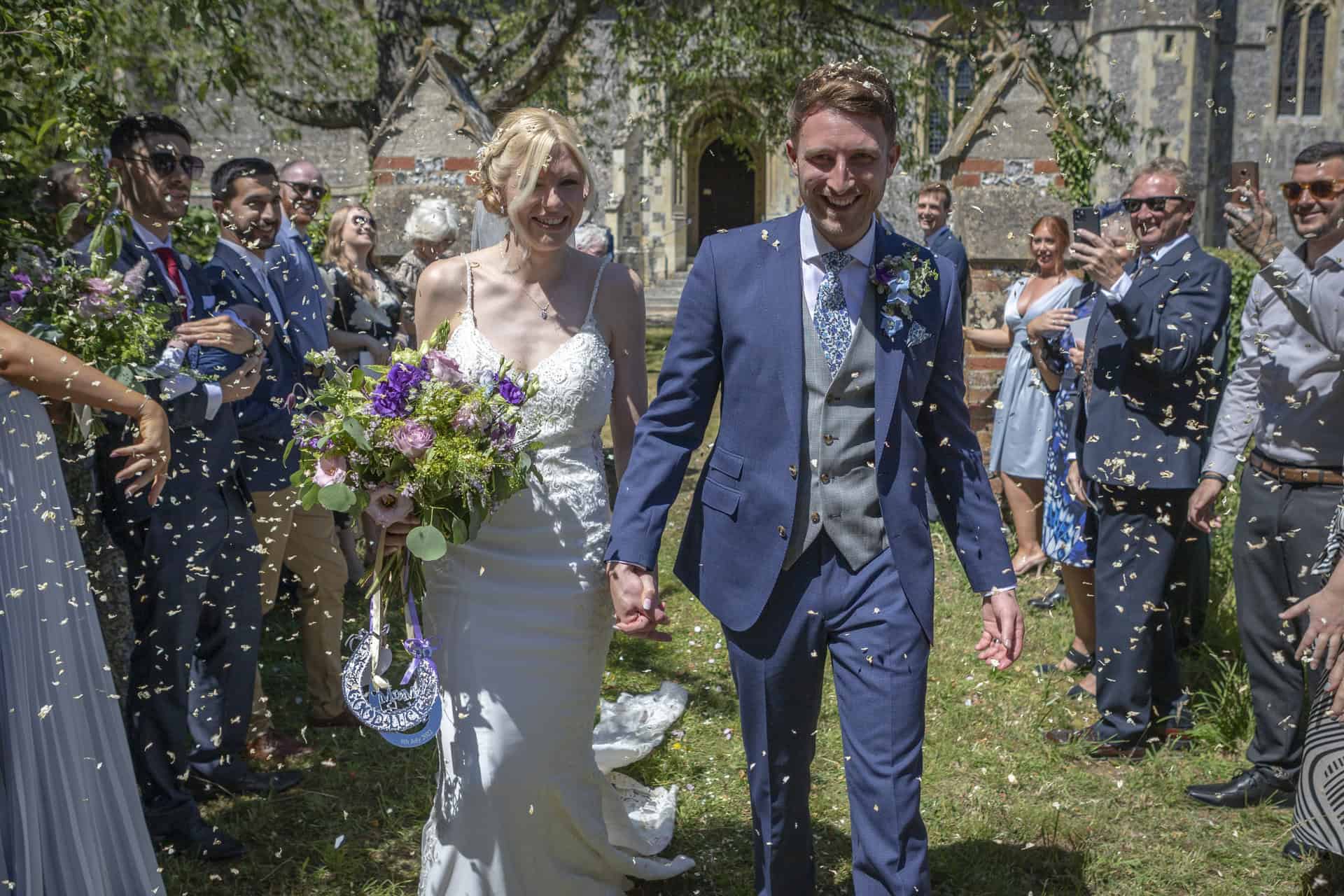
- Confetti basket or petal styling
Reception flowers
- Guest table centrepieces
- Top table or sweetheart table flowers
- Cake flowers
- Cake table flowers
- Welcome table flowers
- Seating plan flowers
- Bar flowers
- Fireplace flowers
- Gift table or guest book flowers
Styling details
- Candles and candle holders
- Lanterns
- Chair drapes
- Table runners
- Napkins
- Table numbers
- Welcome sign
- Order of the day sign
- Seating plan
- Easels, stands or frames
- Post box or card table styling
Frequently asked questions
Do we need flowers on every table?
Not always. Most couples choose some form of table flowers, but this can be simple. Bud vases, small arrangements or candle led styling can still create a beautiful look without overwhelming the table.
Does everyone need a buttonhole?
No. Traditionally, buttonholes are worn by the groom, groomsmen, fathers and sometimes grandfathers, but you can choose who feels right for your wedding party.
Are corsages still popular?
Corsages are still chosen by many couples for mothers, grandmothers or close family members, but they are optional. Some people prefer a buttonhole, wrist corsage or no floral detail at all.
What flowers should we prioritise if our budget is limited?
Start with the bridal bouquet, key wedding party flowers, a ceremony focal point and guest table flowers. From there, add detail where it will be most noticed.
When do we confirm the final flower checklist?
The broad checklist is usually discussed during your wedding chat, then final flowers, quantities and styling details are confirmed closer to the wedding, often around six to eight weeks before the day.
Final thoughts
Your wedding flower checklist should feel helpful, not overwhelming.
What matters is choosing the right flowers and styling for your venue, your priorities and the atmosphere you want to create.
At Petals & Posies, we will guide you through the options, explain what will have the most impact and help create flowers and styling that feel natural, romantic and personal to your day.
If you are planning your wedding in Hampshire or the surrounding counties and would like help shaping your wedding flower checklist, we would love to hear about your plans.
Get in touch to arrange a relaxed wedding chat with Nicola.